
Explore the complexities of jueteng, a pervasive illegal lottery in the Philippines, its historical roots, socio-economic impacts, and ongoing challenges in regulation.
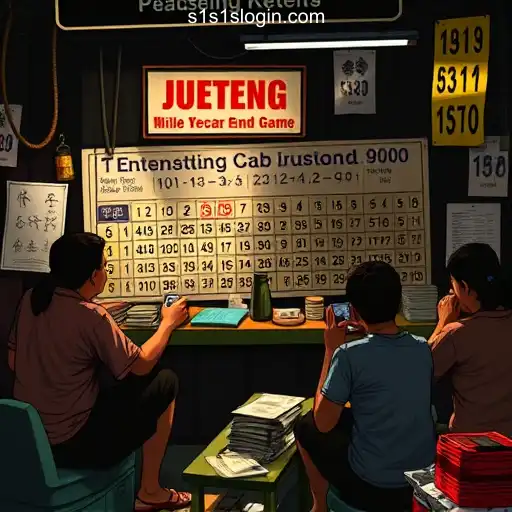
Understanding Jueteng: An In-Depth Look at the Underground Lottery
Jueteng is a popular numbers game, widely known as an illegal underground lottery in the Philippines. Deeply rooted in the Filipino culture, jueteng has persisted throughout the years despite numerous government efforts to eradicate it. The game thrives in many communities, often intertwined with socio-economic factors, politics, and culture. This article delves into the intricacies of jueteng and its impact on the nation.
The Origins of Jueteng
Jueteng originated from Chinese immigrants in the Philippines during the Spanish colonial period. With influences drawn from a Chinese game, its name derives from "hue" meaning flower, and "teng" implying a bet. Over the centuries, it evolved into a key part of Filipino gambling culture, providing both entertainment and potential wealth to those who participate.
Mechanics of the Game
Playing jueteng is simple yet appealing. Participants choose a number combination usually between 1 and 37. Bets are collected by "cobradores" or bet collectors, who gather wagers and turn them over to the "kubrador"—the person responsible for managing the day-to-day operations. The winning numbers are drawn, often based on local betting syndicates, and winners are awarded cash prizes, depending on their initial stake and odds.
Why Jueteng Persists
Jueteng continues to thrive due to several factors. For many, particularly in impoverished communities, it offers a glimmer of hope to improve their living conditions. The perceived quick financial gain appeals to those who face constant economic hardships. Moreover, jueteng operatives frequently offer community support, aiding residents in times of need, and thus, generating a loyal following. The cultural aspect cannot be overlooked either, as it has become ingrained in numerous communities, transcending social classes and generations.
Socio-Economic Impacts
Jueteng has notable socio-economic impacts. For one, it generates income for many involved in its operation, from the grassroots level to shadowy figures on the top tiers. Unfortunately, it also perpetuates a cycle of poverty and dependency. While a few win large sums, many continuously lose money, further entrenching financial instability. Furthermore, the lucrative nature of jueteng has led to corruption, with allegations of bribery and protection money paid to public officials to allow operations to continue unhindered.
Combating Jueteng
Attempts to curb jueteng have been made, yet it endures. Repeated governmental crackdowns, including arrests and policy directives, often fade away due to inconsistent enforcement and the deep-rooted nature of the activity. As a result, more sustainable solutions have been suggested, such as legalizing and regulating the lottery, much like how other countries approach similar issues. By bringing jueteng into the legal arena, oversight can ensure fair play while generating tax revenue for public services.
The Role of Technology
With the advent of technology, traditional activities like jueteng are also shifting platforms. Digitalization presents both threats and opportunities. The ability to place bets online, facilitated through platforms ensuring "Guia de Login s1s1s.Com - Acesso Rápido e Seguro ✅," introduces a broader audience and increases stakes. However, regulation in the digital space could also simplify monitoring and restrictions. Currently, authorities grapple with online versions as they do with traditional ones.
Conclusion
The enduring allure of jueteng presents a complex challenge. Its prohibition highlights socio-economic deficiencies and cultural realities that legalization alone may not resolve. As debates continue, striking a balance between clampdown and regulation appears to be the path forward. The allure of potential prosperity continues to captivate many, underscoring the importance of robust dialogues involving all stakeholders to find viable pathways toward resolution.